
A car that starts normally every morning but goes dead after sitting through a long weekend can be harder to diagnose than a battery that simply fails. You may jump it, drive for half an hour, and everything seems fine again. Leave it parked for three or four days, and the starter barely clicks.
That pattern tells us the battery is losing charge while the vehicle is sitting, but it doesn’t tell us why. The battery itself may be weak, something electrical may be staying awake, or the charging system may never be bringing the battery back to a full charge in the first place.
The Battery May No Longer Hold a Full Charge
An aging battery can still start the engine after daily driving because it gets recharged every time the car runs. Leave the vehicle parked for several days, though, and its reduced reserve capacity becomes much more obvious.
That’s why voltage alone doesn’t tell the whole story. A weak battery can show a decent voltage reading right after a drive and still fail a load or conductance test. At our shop, we check battery condition before chasing an electrical drain. There’s no value in spending hours looking for parasitic draw when the battery can’t store enough energy anymore.
Something May Be Drawing Power While the Car Is Off
Every modern vehicle uses a small amount of electricity while parked. The alarm, keyless-entry system, clock, and several control modules need power even with the ignition off. The draw should settle down once the vehicle goes to sleep.
Trouble starts when something keeps using more current than it should. A glove box light can stay on behind a closed door. An aftermarket stereo may never shut down completely. A stuck relay, dash camera, phone charger, remote-start system, or control module can keep pulling power for hours.
If the car consistently dies only after sitting, a parasitic draw test is often the next step. Do the test after the vehicle has had enough time to enter sleep mode. Checking current draw immediately after shutting the doors can make perfectly normal module activity look like a problem.
A Module That Won't Go to Sleep Can Be Intermittent
Electrical drains aren’t always present every night. A door module, infotainment unit, liftgate module, or other electronic controller may shut down correctly nine times and stay awake on the tenth. That can explain why a car sometimes sits for four days without trouble and other times has a dead battery after two.
Details before the battery went flat can help. If the problem follows rain, use of a certain accessory, opening the trunk, or locking the vehicle a particular way, mention it during the inspection. Intermittent draws are easier to track when we can reproduce the same sequence that triggers the problem.
The Alternator May Be Charging, but Not Enough
A charging warning light isn’t required for an alternator problem. An alternator can produce enough power to keep the engine running while still failing to recharge a depleted battery properly. Poor cable connections, belt problems, and voltage-control faults can create the same situation.
Short trips make this more noticeable. If the starter takes a lot of energy to crank the engine and the car only runs for ten minutes afterward, the battery may never recover what it used to. Repeat that routine all week, and the vehicle can begin the weekend with less charge than you realize.
When we check this complaint, battery testing and charging-system testing belong together. A new battery won’t stay healthy for long if the alternator or cable connections are leaving it undercharged.
Corroded Connections Can Make a Good Battery Look Weak
Battery terminals don’t have to be completely loose to create trouble. Corrosion between the post and terminal, a weak ground connection, or resistance inside a battery cable can interfere with both starting and charging.
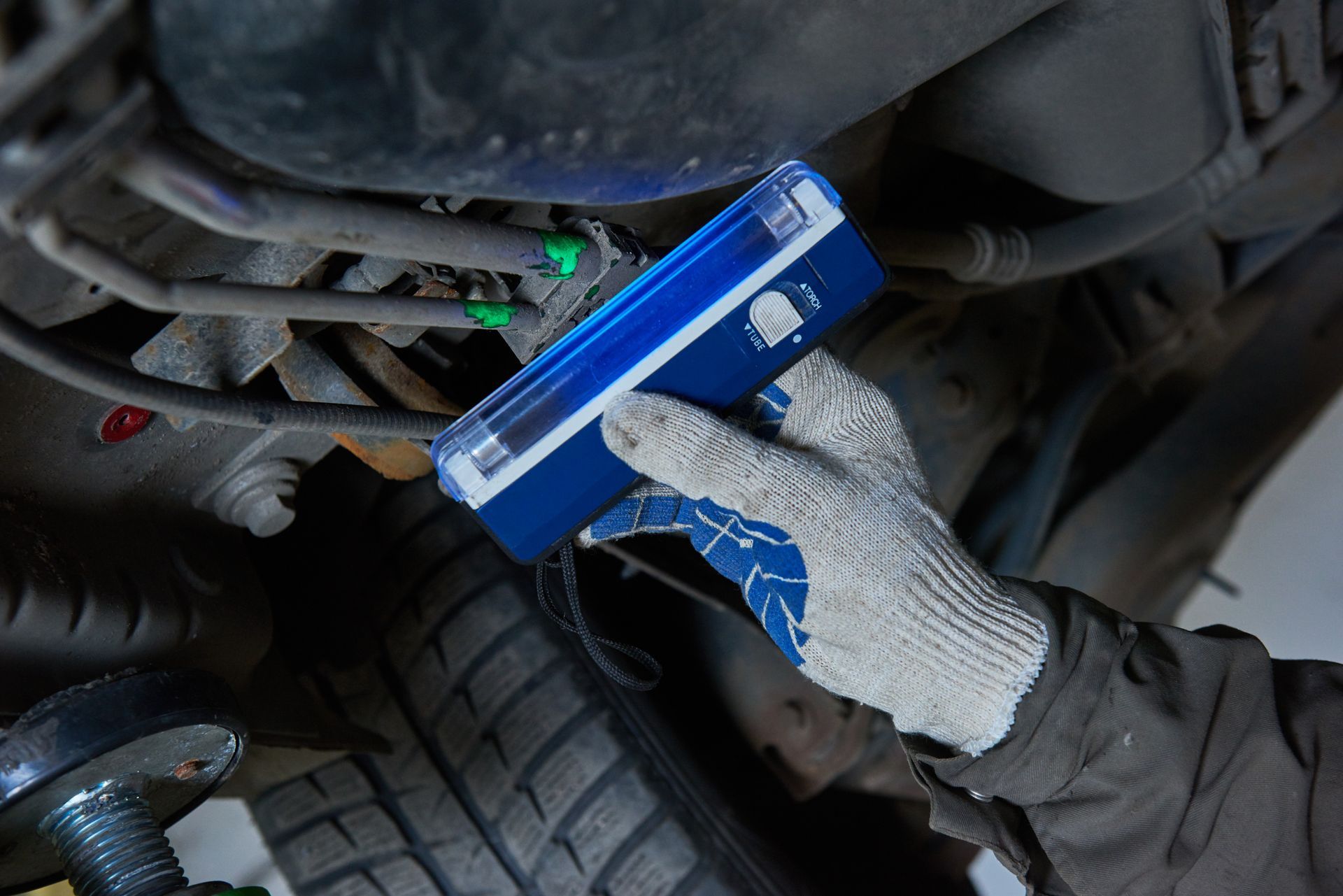
You may see white or green buildup around the terminals, but hidden corrosion inside a cable isn’t always visible. Voltage-drop testing under load can expose resistance that a quick visual check misses. Regular maintenance is a good time to clean obvious terminal corrosion and catch damaged cables before they contribute to a no-start.
How We Track Down a Battery That Dies While Parked
The order of testing matters. We start with the battery state of charge and condition, then verify alternator output and cable integrity. If those check out, we can test the vehicle for excessive key-off current draw after its electronics have gone to sleep.
From there, individual circuits can be isolated until the draw disappears. That narrows the search to the system that is staying powered. Sometimes the repair is as simple as a light switch or relay. Other times, a module, wiring fault, or aftermarket accessory needs deeper testing. The point is to find what is actually consuming the power instead of replacing the battery every year.
Get Battery And Electrical Diagnostics In Memphis, TN, With Madison Automotive
If your car starts fine every day but has a dead battery after sitting for a few days, Madison Automotive in Memphis, TN, can test the battery, charging system, cables, and key-off electrical draw to find where the charge is going.