
An automotive A/C system has to keep refrigerant sealed inside while dealing with vibration, engine heat, pressure changes, and years of movement. Many lines join with fittings that rely on small O-rings to create a tight seal between metal components.
When refrigerant begins escaping around one of those connections, the leak may be small enough that cooling performance fades gradually rather than disappearing all at once. Understanding why those seals fail can help explain why simply adding refrigerant does not solve a recurring A/C problem.
O-Rings Seal the Connections Between A/C Components
A/C refrigerant lines connect components such as the compressor, condenser, evaporator, expansion valve, accumulator, and receiver-drier, depending on the vehicle design. Many of those connections use specially designed O-rings positioned between the mating surfaces.
The O-ring compresses when the fitting is assembled, creating a seal that has to contain refrigerant and compressor oil under changing pressures. Because the seal is flexible, it can accommodate a small amount of movement without requiring the entire line to be rigidly joined.
Heat Can Harden the O-Ring Over Time
Rubber sealing materials change over years of heat exposure. A connection near the engine, compressor, or condenser may repeatedly heat up and cool down every time the vehicle is driven.
Eventually, an O-ring can lose some of its flexibility. Once it becomes hard or flattened, it may no longer maintain consistent contact with the surfaces around it. Refrigerant can then begin escaping through a gap that is too small to see without leak-detection equipment.
Age alone does not mean every O-ring needs replacement, but older seals deserve attention when leakage appears around an otherwise undamaged fitting.
Vibration Can Wear the Connection
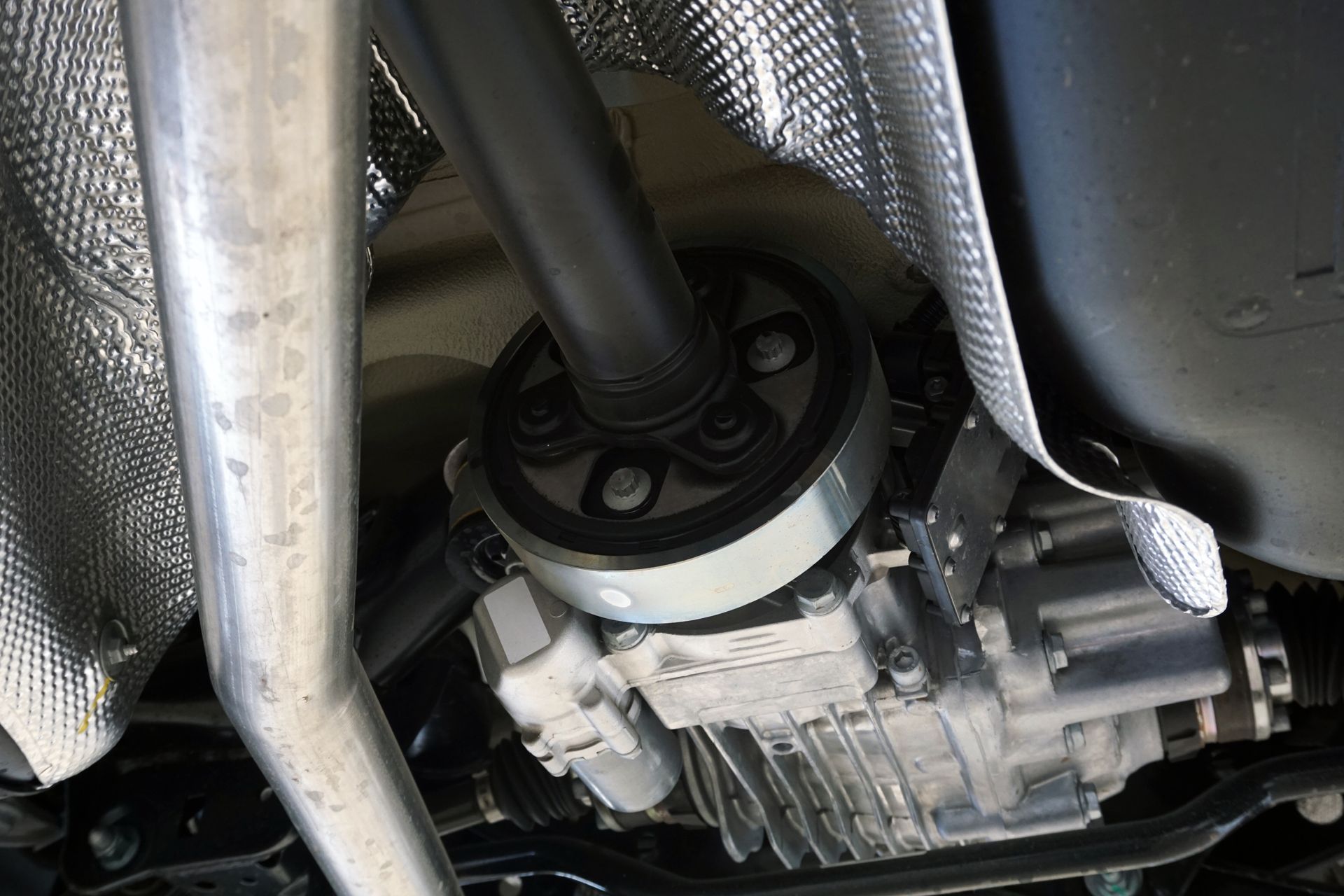
A/C lines are exposed to constant movement from the engine, road surface, and compressor operation. Flexible sections and brackets are used to control that movement, but the connection points still experience repeated vibration.
If a mounting bracket breaks or a line is not secured correctly, the fitting may move more than intended. That movement can wear the O-ring or cause small alignment changes that make it harder for the seal to stay tight.
A leaking connection should therefore be checked along with the line supports and brackets. Installing another O-ring without correcting excessive movement can allow the same leak to return.
Corrosion Can Damage the Sealing Surface
The O-ring is only one half of the seal. The metal surfaces around it also need to be clean and undamaged.
Moisture, road salt, and age can cause corrosion around aluminum A/C fittings. Pitting near the sealing area can create small channels that refrigerant can escape through even when a new O-ring is installed.
Technicians inspect the fitting carefully after disassembly. Light contamination may be cleanable, while severe corrosion or physical damage may require replacing the line or component rather than just the seal.
Incorrect O-Rings Can Leak Quickly
Automotive A/C systems require O-rings made from materials compatible with the refrigerant and compressor oil being used. A seal that happens to fit physically is not necessarily suitable for an A/C system.
Using the wrong diameter, thickness, or material can prevent proper compression or allow the seal to deteriorate prematurely. The replacement should match the application rather than being selected only because it looks similar to the old one.
The correct compressor oil is also important when lubricating seals during assembly. Petroleum products or other unsuitable lubricants can damage certain O-ring materials.
Reusing an Old O-Ring Can Cause Problems
Once an A/C fitting is opened, reinstalling the old O-ring is usually poor practice. The seal may have already taken a permanent set from years of compression.
Removing the fitting can also nick or distort the old seal. Even if it looks acceptable, it may not reseal properly once the connection is assembled again. Using the correct new O-ring is inexpensive compared with evacuating and recharging the system a second time because the connection leaked again.
Improper Installation Can Damage a New Seal
A new O-ring can leak immediately if it is twisted, pinched, cut, or installed dry. The sealing surfaces also need to be aligned correctly before tightening the fitting.
Common installation problems include:
- Using the wrong O-ring size
- Installing a dry seal
- Twisting the O-ring during assembly
- Pinching the seal between fitting surfaces
- Overtightening or undertightening the connection
- Leaving dirt or corrosion on the sealing surface
- Misaligning the refrigerant line
Careful preparation is important because the finished seal is hidden once the fitting is assembled.
Why Refrigerant Oil Appears Around a Leak
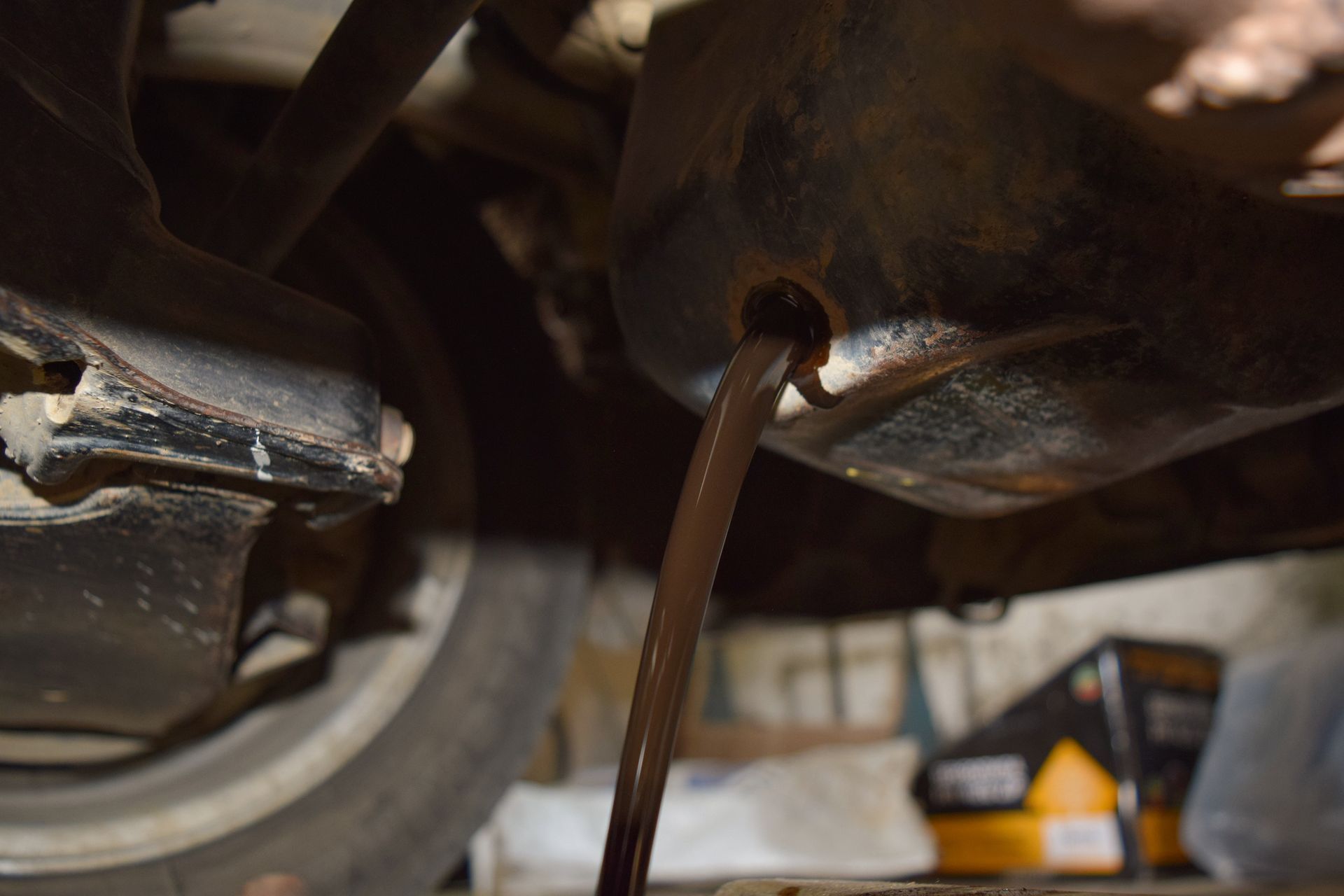
Automotive refrigerant circulates with a small amount of compressor oil. When refrigerant escapes through a connection, traces of that oil can sometimes escape with it.
An oily or dirty area around an A/C fitting can therefore provide a useful clue. Dust tends to stick to the oil residue, creating a dark patch around the leaking connection.
Oil residue alone does not prove the exact leak location, especially on a dirty engine compartment. Leak-detection methods are still useful for confirming where refrigerant is escaping.
How Technicians Find Small A/C Leaks
Small refrigerant leaks can be difficult to locate visually. Technicians may use an electronic refrigerant detector, ultraviolet dye when appropriate, or another approved leak-detection method to inspect fittings, hoses, compressor seals, condenser areas, and other potential leak points.
Once a connection is identified, the system must be recovered properly before the fitting is opened. The O-ring and sealing surfaces can then be inspected for wear, corrosion, or installation problems.
After the repair, the system is evacuated to remove air and moisture and checked for proper sealing before the correct refrigerant charge is installed.
Repeatedly Adding Refrigerant Is Not a Repair
A system that needs refrigerant added repeatedly has a leak somewhere. Topping it off may restore colder air temporarily, but refrigerant will continue escaping until the source is repaired.
Operating with a low charge can also affect system performance and compressor lubrication. The better approach is to locate the leak, repair the failed connection or component, and recharge the system to the specified amount.
Get A/C Refrigerant Leak Repair in Memphis, TN, With Madison Automotive
Madison Automotive in Memphis, TN, can inspect A/C refrigerant lines, fittings, O-rings, hoses, compressors, condensers, and other components when cooling performance begins to decline.
If your A/C needs refrigerant repeatedly or a leak has been found near a line connection,
contact us to schedule an inspection and A/C service.