
Motor oil seems simple until you’re standing in front of the shelf looking at five different labels that all claim to protect your engine. Conventional, synthetic, high-mileage blends, extended life, and a dozen viscosity numbers can feel like you need a decoder ring.
The good news is you do not need to be an expert to make a smart choice. Once you understand what each oil type is designed to do, you can match it to your engine and the way you actually drive, without overpaying or taking unnecessary risks.
Why Oil Type Choices Can Change Engine Wear Over Time
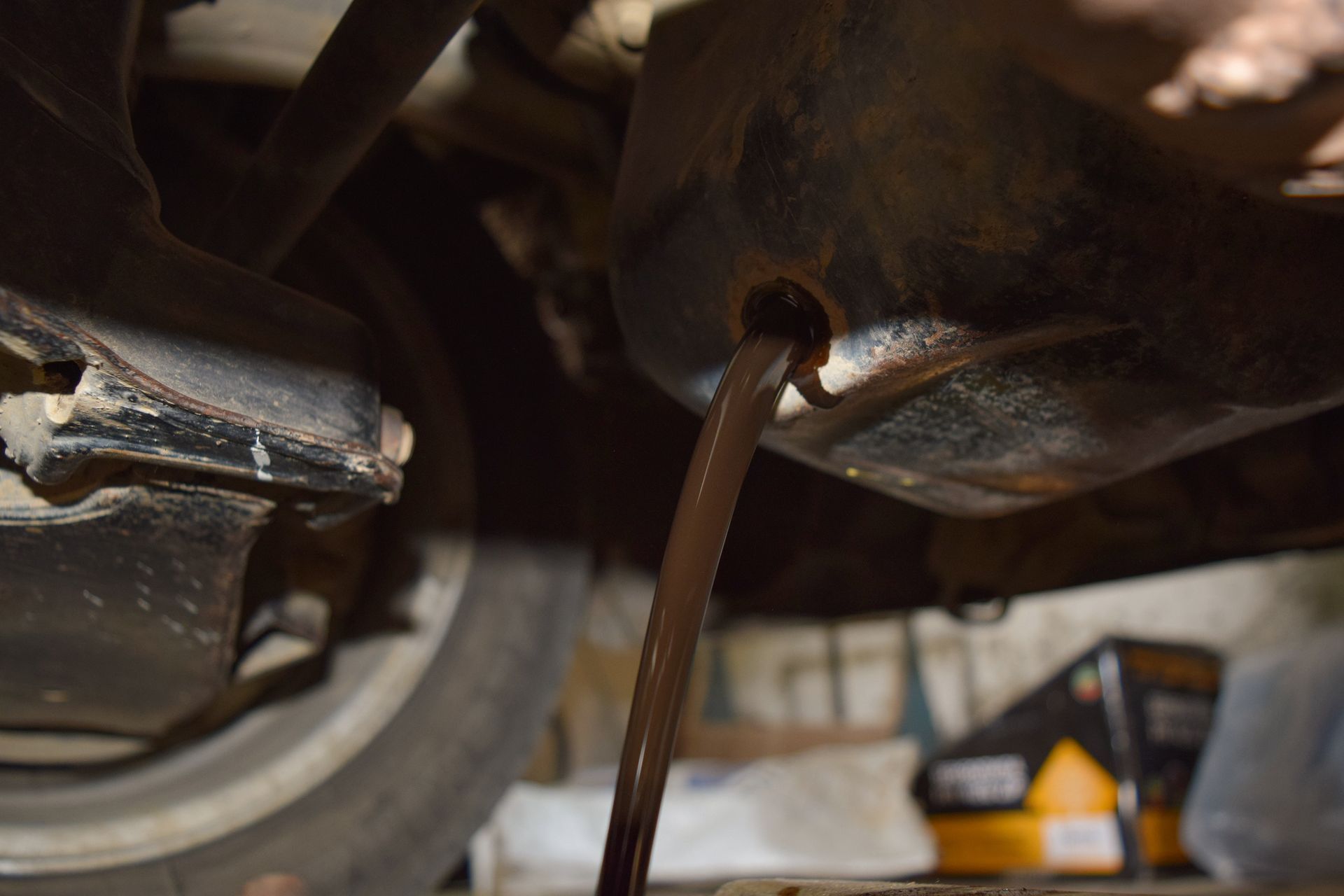
Oil does more than reduce friction. It helps manage heat, keeps tiny contaminants from sticking to internal surfaces, and protects metal parts when you start the engine cold. Over time, oil breaks down from heat and combustion byproducts. That breakdown happens faster or slower depending on your driving habits and the oil’s base stock and additives.
Oil type matters most when your engine is dealing with tougher conditions. Frequent short trips can leave moisture and fuel dilution in the oil because the engine does not stay hot long enough to burn it off. Heavy traffic, heat, towing, and turbocharged engines can push oil temperatures higher, which is where higher-quality oil can make a noticeable difference.
Conventional Oil Basics For Everyday Driving
Conventional oil is refined from crude oil and blended with additives that help with cleaning, wear protection, and corrosion resistance. It can work well in many older engines and in vehicles that are driven gently and serviced on a consistent schedule.
Conventional oil usually makes the most sense when the manufacturer allows it and your driving is not especially demanding. It can also be a reasonable choice for vehicles that do not see extreme temperatures or long drain intervals. The tradeoff is that conventional oil tends to break down sooner under heat stress, so staying on schedule matters.
Synthetic Oil Benefits When Heat And Stress Are Higher
Synthetic oil is engineered to be more stable, especially under heat. It resists breaking down and can maintain protection better in conditions that tend to punish oil. That is one reason many modern vehicles specify full synthetic oil from the factory.
Synthetic oil can be a strong choice if you drive in heavy stop-and-go traffic, take longer highway trips, or drive a vehicle that runs hotter by design. It can also help in cold starts because it flows more consistently, which supports faster lubrication at startup. In our shop, we often see that engines with known heat-related wear patterns tend to stay happier when they are on the correct synthetic spec and serviced on time.
Synthetic Blend Oil And Where It Fits
Synthetic blend oil is a mix of conventional and synthetic base stocks. It is designed to offer some of the stability benefits of synthetic oil while keeping the cost lower than full synthetic. Some manufacturers recommend blends for specific engines, and some drivers choose blends as a middle option.
Blends can be helpful when you want better heat resistance than conventional oil provides, but your vehicle does not require full synthetic. The main thing is consistency. If the engine has been maintained on a certain type and the manufacturer allows it, a blend can be a practical solution. If your engine calls for a specific full synthetic spec, that spec should come first.
High-Mileage Oil And What It Can Do For Older Engines
High-mileage oil is not a gimmick when it is used correctly. It is formulated with additive packages aimed at older engines that may have minor seepage, deposits, or wear that changes how seals and rings behave. Many high-mileage oils include seal conditioners designed to help aging seals stay more pliable. They also often include detergents and additives tailored to help control deposits.
High-mileage oil can be a good fit if your vehicle has higher miles and you have noticed small oil leaks or light oil consumption. It will not fix a torn gasket or a major leak, but it can help reduce minor seepage in some cases. It can also help control oil consumption in engines that are starting to show early wear patterns, especially if you check the oil level regularly between services.
Motor Oil Myths That Lead Drivers Astray
A lot of oil confusion comes from half-truths that get repeated. Clearing up a few of these can save you money and prevent bad decisions.
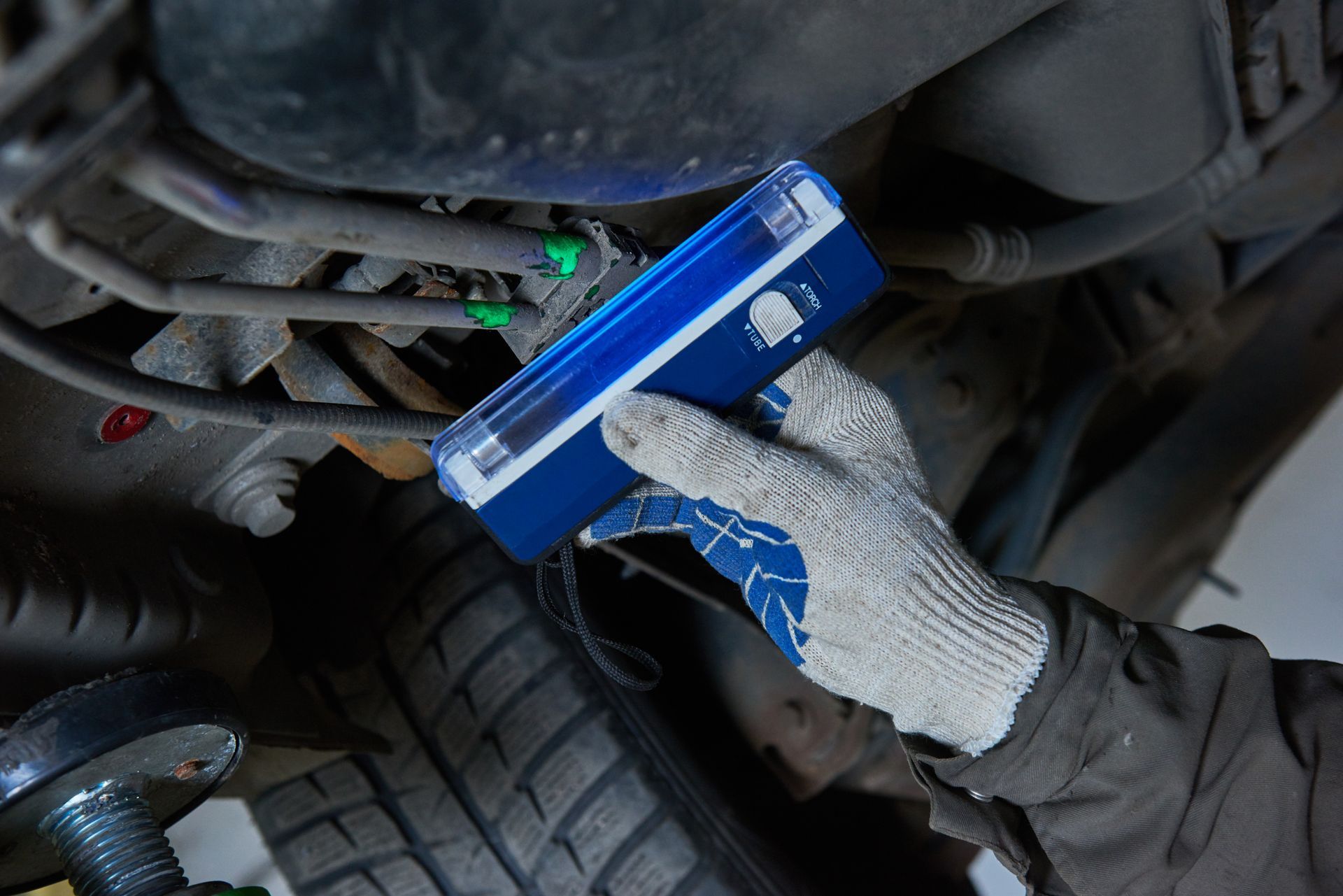
- Switching to synthetic oil will not create leaks by itself, but it can reveal a leak that was already there because the engine is cleaner and the oil flows differently.
- Thicker oil is not automatically better, because the engine is designed for specific viscosity and flow behavior.
- High-mileage oil can help with minor seepage, but it cannot repair broken parts or worn-out gaskets.
- Longer oil change intervals are not always better, especially if your driving includes short trips and heavy traffic.
If you are ever unsure, the best starting point is the manufacturer's spec for viscosity and oil type, then adjust based on your driving conditions and engine mileage.
How To Choose The Best Oil For Your Vehicle
Start with what your vehicle requires. The owner’s manual usually lists viscosity and an oil specification, and that spec matters as much as the viscosity number. Some engines are picky about the oil’s additive package and performance rating, especially modern designs.
Then think about how you drive. If most of your driving is short trips, consider a more protective oil type and keep intervals realistic. If your engine has higher mileage and you are seeing light seepage or consumption, high-mileage oil may make sense. If you drive in hot weather, heavy traffic, or high-load situations, synthetic oil is often worth the extra cost because it better withstands temperature extremes.
We recommend choosing the right oil spec first, then choosing the oil type that fits your mileage and driving habits. That approach keeps the decision practical and avoids paying extra for a label that does not match your needs.
Get Motor Oil Service in Memphis, TN, with Madison Automotive
We can help you choose the right oil type for your vehicle, confirm the correct viscosity and specification, and check for early signs of leaks or consumption while we are under the hood. We’ll keep the service straightforward and tailored to how you drive, so you are not overbuying or falling behind on protection.
Call
Madison Automotive in Memphis, TN, to schedule your next oil service.