
The check engine light is your car’s way of saying something in the engine or emissions system is out of its normal range. Sometimes it feels fine and still turns the light on, because many faults affect emissions long before you feel a drivability issue.
The light is a heads-up, not a verdict.
Loose Gas Cap Or EVAP Leak
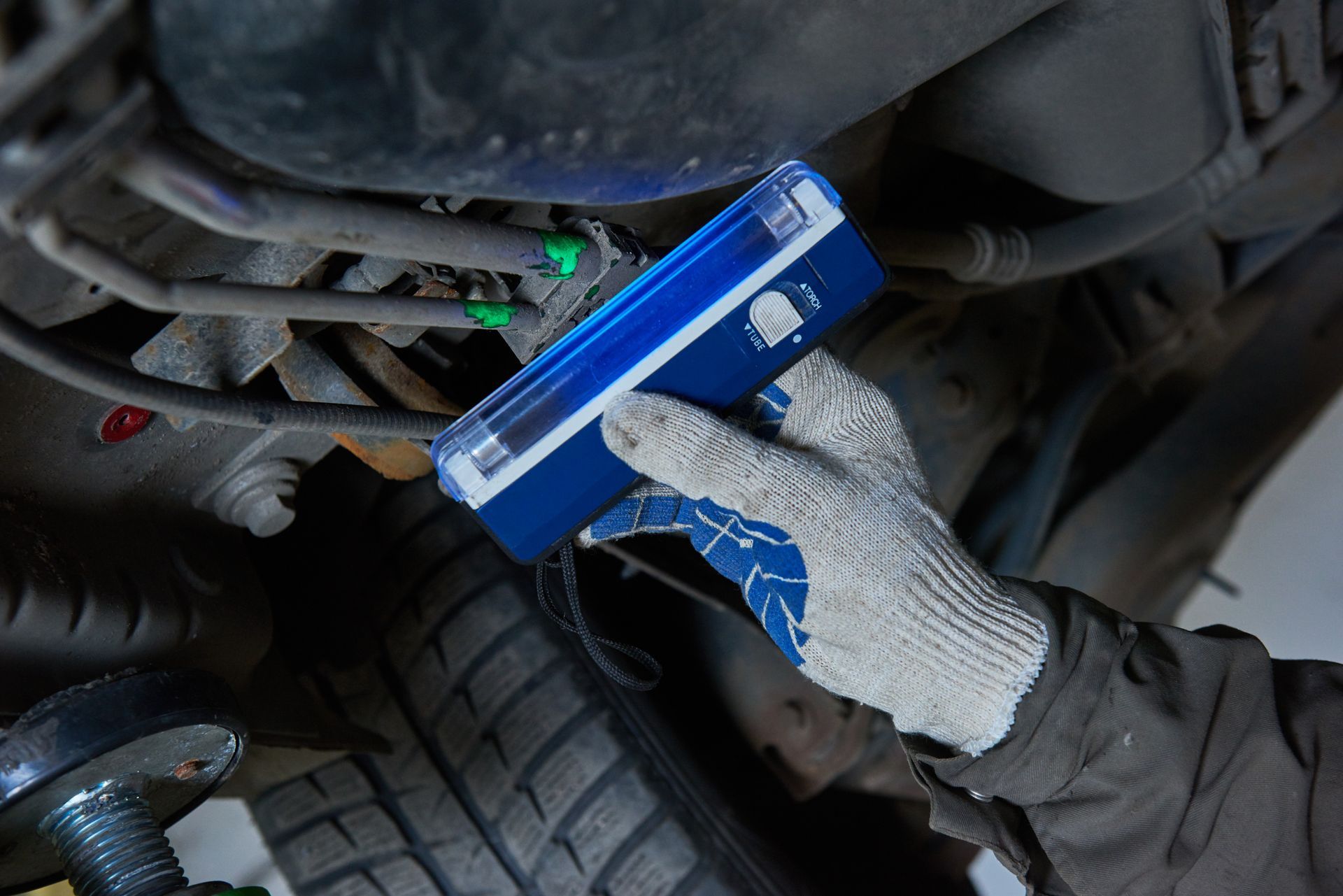
Modern cars seal fuel vapors inside the EVAP system, then burn them later instead of venting them to the air. If the gas cap is loose, the seal is cracked, or an EVAP hose has a leak, the computer detects the pressure loss and switches the light on.
A loose cap is the simplest fix, but it’s not the only EVAP cause. Small EVAP leaks are common as cars age because rubber lines harden and plastic fittings get brittle. If the cap is tight and the light returns, the next step is finding the leak point instead of guessing.
Faulty Oxygen Sensor Or Fuel Trim Problem
Oxygen sensors report how much oxygen is left in the exhaust so the computer can adjust fuel delivery. When an O2 sensor gets slow or inaccurate, the engine may still run, but it often burns more fuel, and the emissions system loses precision.
Fuel trim codes can also show up when the engine is compensating for something else, like a minor vacuum leak or a tired sensor upstream. This is one reason reading the code alone is not enough. You want to know what the engine is correcting for, not just what part name shows up on a scanner.
Misfires From Worn Plugs Or Ignition Coils
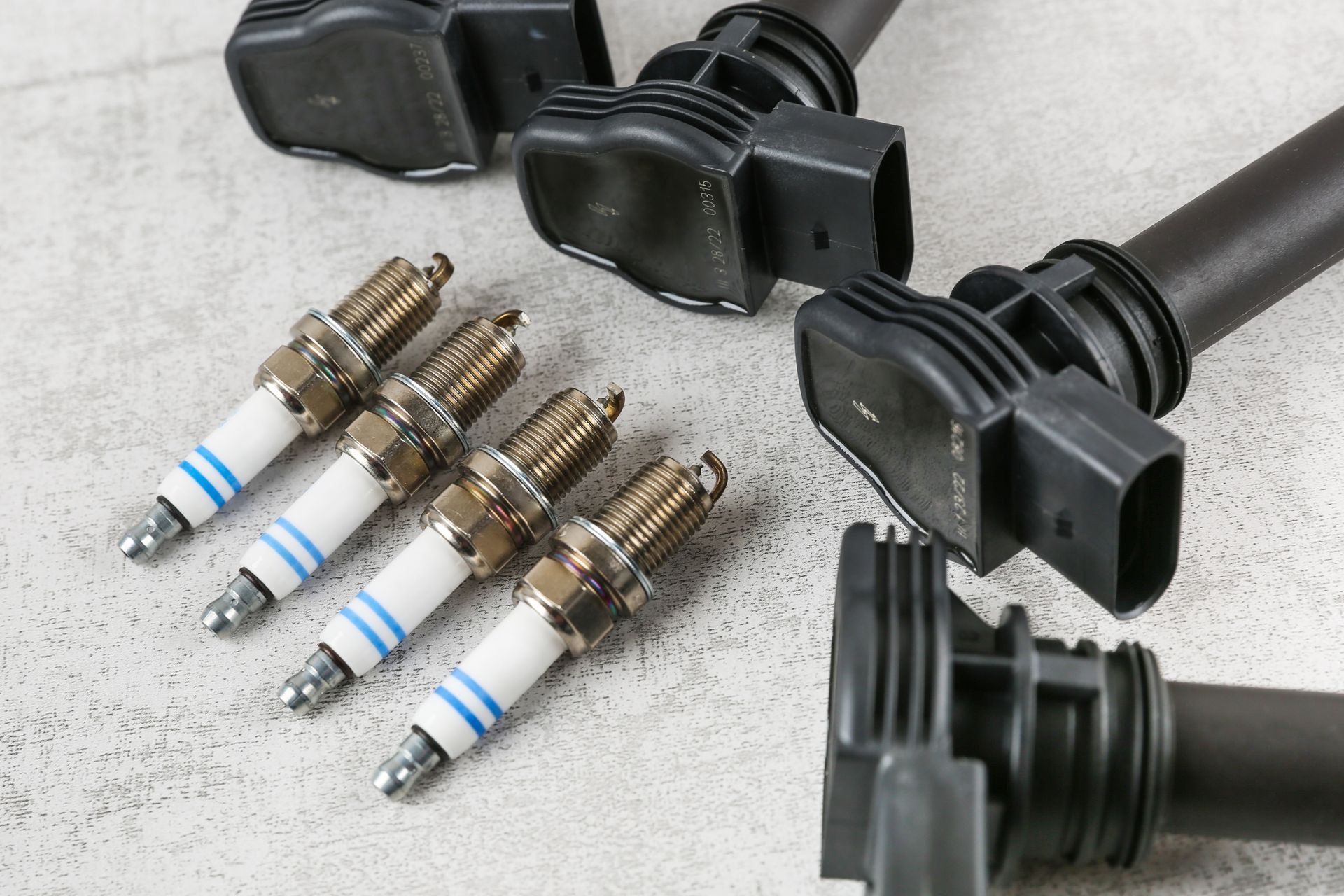
A misfire means one cylinder isn’t burning the mixture properly. You might feel it as a shake at idle, a stumble on acceleration, or you might not feel it at all if it’s small and intermittent. Either way, unburned fuel in the exhaust is hard on the catalytic converter.
Spark plugs wear gradually, and coils can weaken with heat and time. Staying on top of regular maintenance, especially spark plug intervals, is one of the best ways to prevent random misfire lights that pop up at the worst time.
Intake Air Leaks Or A Dirty MAF Sensor
Your engine needs accurate airflow information to meter fuel correctly. If the mass airflow sensor is dirty or an intake boot is cracked, the engine can run lean, surge, idle oddly, or hesitate. Some vehicles compensate well enough that the driver barely notices, but the computer still sees the numbers are off and sets the light.
Air leaks also tend to get worse with temperature swings because rubber and plastic flex. A small split in an intake tube might seal up when cold and open when warm. That’s why a problem can feel inconsistent from day to day.
Catalytic Converter Efficiency Issues
Catalytic converters clean up the exhaust by completing chemical reactions that reduce harmful pollutants. When the converter is worn out or overloaded, the computer compares sensor readings before and after the converter and flags low efficiency.
The important detail is that converters often fail because something upstream caused it, like ongoing misfires, oil burning, fuel mixture issues, or exhaust leaks. Replacing a converter without addressing the cause is how you end up doing the same job twice. A proper plan checks what stressed the converter in the first place.
Cooling System Or Thermostat Problems
Engines are designed to run at a specific temperature range. If the thermostat sticks open, the engine runs too cool, fuel economy drops, and emissions increase. If it sticks closed or the cooling system can’t regulate temperature, overheating becomes a real risk.
A failing coolant temperature sensor can also send the wrong signal, which affects fuel mixture and fan operation. Temperature-related codes are worth taking seriously because a small cooling issue can turn into a bigger repair if it’s ignored for too long.
Get Check Engine Light Service In Memphis, TN With Madison Automotive
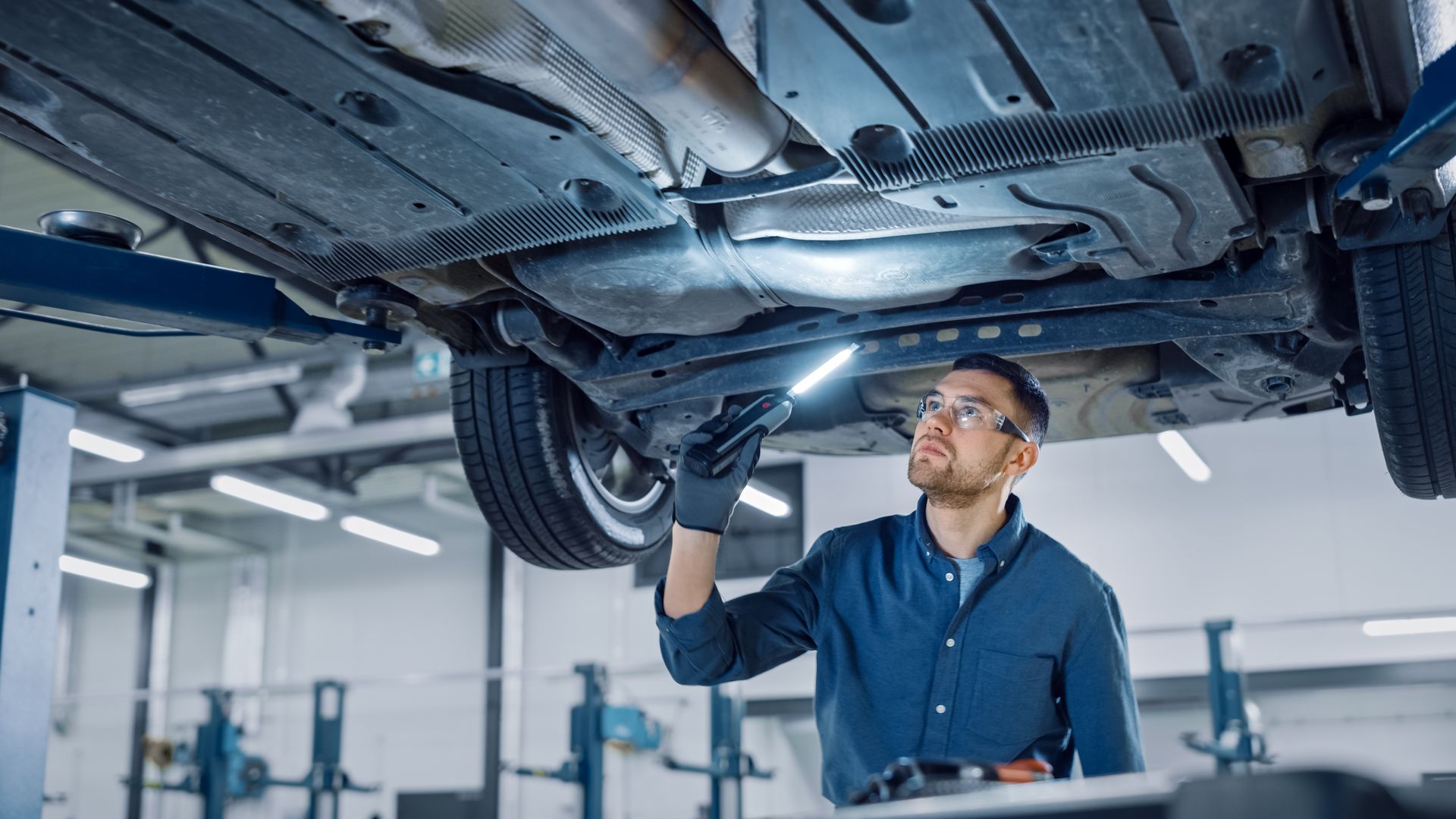
If your check engine light is on, the most helpful first step is identifying whether it’s a simple sealing issue, a sensor that’s reporting bad data, or a condition that could damage the emissions system if it continues. Schedule an inspection so the cause is confirmed and the fix matches what your car is actually doing.
Schedule service or stop by
Madison Automotive in Memphis, TN, when you want a clear answer and a repair that holds up.