A filter doesn't need to trigger a warning light before it's ready for replacement. Some gradually reduce airflow, while others collect contamination out of sight. By the time you notice a change, the service may already be overdue.
The useful question is which filter you're checking and how its condition affects the system. At Madison Automotive, we review the maintenance schedule and inspect accessible parts. That gives you a better guide than waiting for the car to run badly or the vents to stop delivering air.
Why Filter Color Is Only Part of the Story
A filter that looks gray has collected material, but color alone tells little about remaining capacity. Fine dust can load the filtering surface without dramatic piles of debris. A damaged or poorly fitted element can also look fairly clean while allowing dirt around it.
Inspection considers the element, sealing edge, housing, and service history. The filter type and its job determine which findings matter. An engine air filter and an oil filter don't lend themselves to the same quick visual judgment.
Avoid cleaning a disposable filter by methods its manufacturer doesn't permit. High-pressure air or washing can damage material and change how it filters. The correct replacement is a safer choice when condition and service timing call for it.
Engine Air Filters and Changes in Power
The engine air filter protects the intake from dust and debris. As restriction increases, the engine gets less air when it needs more. You may notice weaker acceleration before any obvious warning appears.
The effect depends on the engine and control system. Many modern gasoline engines adjust fuel delivery as airflow changes, so reduced power doesn't automatically mean a large increase in fuel use. We inspect the filter alongside the complaint and check other causes when needed.
Dusty routes, construction areas, and heavy exposure can shorten useful service life. Tell us about that driving when you book. An interval based on ordinary conditions may need an earlier inspection after unusual use.
Cabin Filters and Weak Air From the Vents
The cabin filter often makes its condition noticeable through airflow. You hear the blower running, but the vents deliver less air than they used to. The windshield takes longer to clear, or the cabin cools more slowly during warm Memphis weather.
Leaves and debris in the intake area can cause similar issues. Blower and vent-control problems are other possibilities. We inspect the air path to determine whether replacing the filter addresses the restriction or another component needs attention.
A smell deserves a look too, especially if the interior is damp. The filter may hold debris, while a water leak or other moisture source keeps the problem returning. Service should address the condition causing the complaint, not just cover the odor briefly.
Oil Filters That Don't Give an Early Warning
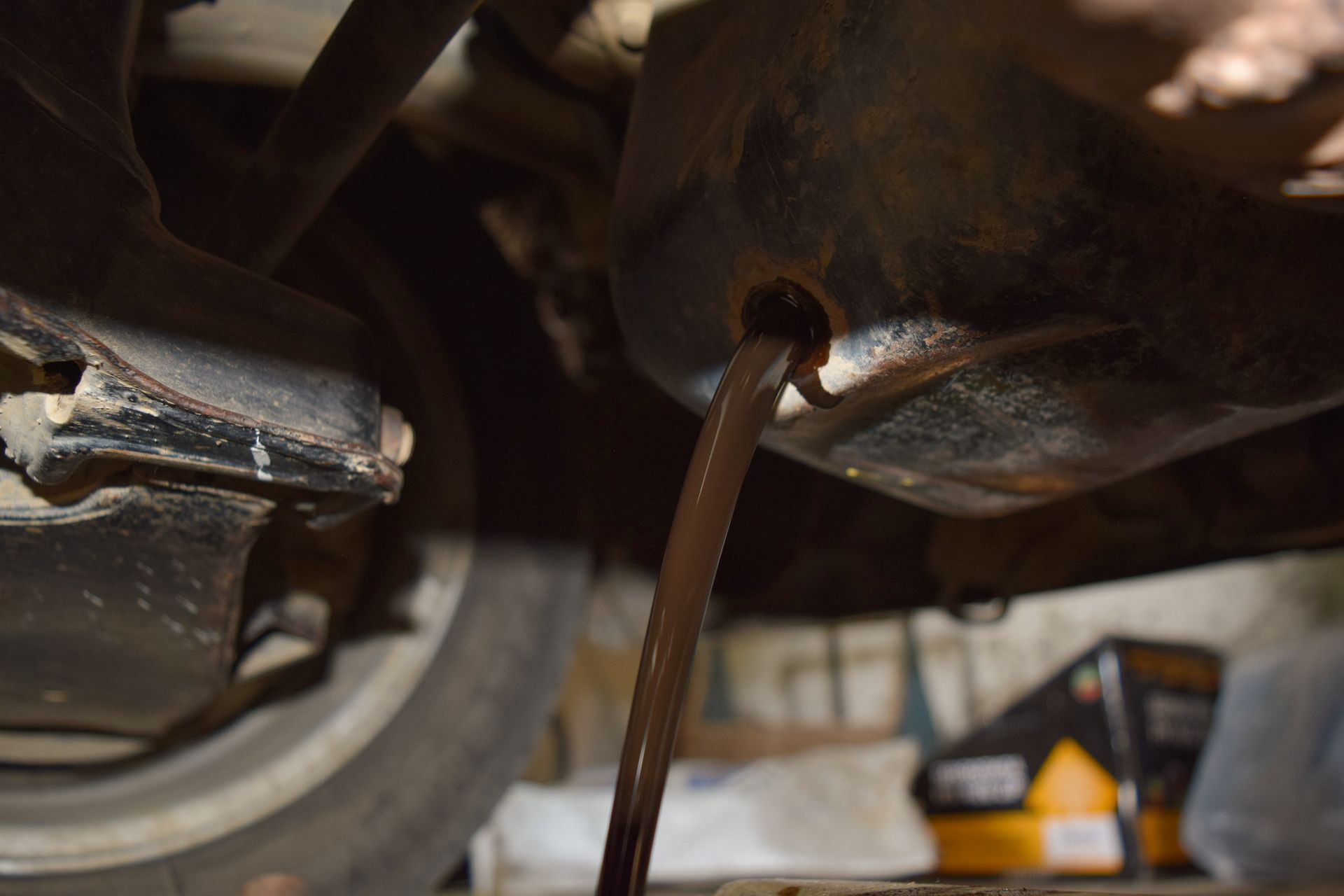
You usually can't assess an installed oil filter by looking at the outside. It captures particles carried by the lubricant, and its useful capacity changes as contamination accumulates. Scheduled replacement avoids relying on a symptom that may arrive too late.
Oil condition is another part of the service. Heat, oxidation, fuel contamination, and additive depletion affect the lubricant independently of the filter. Change both according to the engine's required interval using the correct oil and filter design.
An oil pressure warning needs immediate attention. Stop safely and shut down the engine. It calls for checking lubrication, not waiting for a convenient filter-change appointment while continuing to drive.
Fuel Filters and Demand-Related Symptoms
Where a serviceable fuel filter is fitted, restriction can reduce the fuel available when the engine works harder. Hesitation during acceleration, lost power, or difficult starting may prompt fuel-supply checks.
Those symptoms also come from pumps, injectors, electrical faults, and other engine concerns. Testing connects the complaint with the actual delivery problem. Confirm the vehicle's filtering arrangement before assuming it has a routinely replaced external filter.
Diesel systems can include water-separation requirements as well. Follow the engine's service instructions and warnings. Contamination deserves prompt attention because modern fuel components depend on a suitable, clean supply.
Clues That Your Filters Need a Review
Useful reasons to arrange a service check include:
- Missing records for the last filter replacement
- An overdue oil-service reminder
- Weaker acceleration than usual
- Reduced airflow from the cabin vents
- Repeated exposure to dust or debris
Bring the mileage and available service invoices. If a symptom changes with engine load, fan setting, or temperature, describe that pattern. Those details help us separate a filter concern from another fault that happens to feel similar.
Checking Filters Before Symptoms Develop
The schedule provides the starting point, and condition checks refine it. Accessible air and cabin filters can be reviewed during routine service. Oil and other filters follow the procedures and replacement requirements for their specific systems. There is no single percentage of dirt that tells every filter owner it's time. Construction, service conditions, and the system's needs differ. A planned replacement based on those requirements is easier to manage than waiting for a warning or serious loss of performance.
Record the completed work and next service point. Consistent records prevent a filter from being forgotten because the car still feels normal. They also avoid replacing recently serviced parts again just because the paperwork is missing.
Filter Inspection and Replacement at Madison Automotive
Madison Automotive in Memphis, TN, can review filter condition, service timing, and any changes you've noticed in performance or airflow. Bring your maintenance history so we can discuss what's due and which symptoms need additional checks.
Schedule filter service with
Madison Automotive before a neglected filter makes everyday driving less dependable.